
2026 is seeing in-person events rebound strongly, with hotspots in tech, finance, healthcare and sustainability drawing the largest corporate sponsorships. Tech shows like CES (Las Vegas, 148,000 attendees) and MWC (Barcelona, ~85,000 attendees) remain marquee venues for product launches, while Web Summit (Lisbon, ~71,000) convenes the startup community. Major finance gatherings (Davos WEF Jan 19–23, Sibos banking forum Sept 28–Oct 1) and health/pharma events (JPMorgan Healthcare Jan 12–15, BIO International June 22–25, HLTH Las Vegas Nov 15–18) will attract heavy investment dollars. Web3 conferences are shifting away from San Francisco to Miami and Asia (Consensus Miami May 5–7, Consensus Hong Kong Feb 10–12, Ethereum’s EthCC Mar 30–Apr 2), reflecting global interest in crypto and blockchain. Across sectors, sponsors are prioritising events with high-quality, targeted audiences and hybrid reach. Polls indicate that tech, finance, healthcare and ESG/sustainability-related shows command the lion’s share of sponsorship budgets. Newer markets (APAC, Middle East, Africa) are opening up: Asia-Pacific events (e.g. Consensus Hong Kong) are selling out, and large summits on sustainability or FinTech in Dubai and Africa are attracting regional investors. Event organisers should sharpen their sponsorship packages (tiered booths, virtual experiences, data-driven ROI tracking) and target the evolving priorities of corporate buyers. Table 1 (below) compares top 12 conferences by sector on attendance, costs and audience profile. Key takeaways for investors and organisers are summarised at the end.
Major 2026 Conferences by Sector
Tech (general & AI)
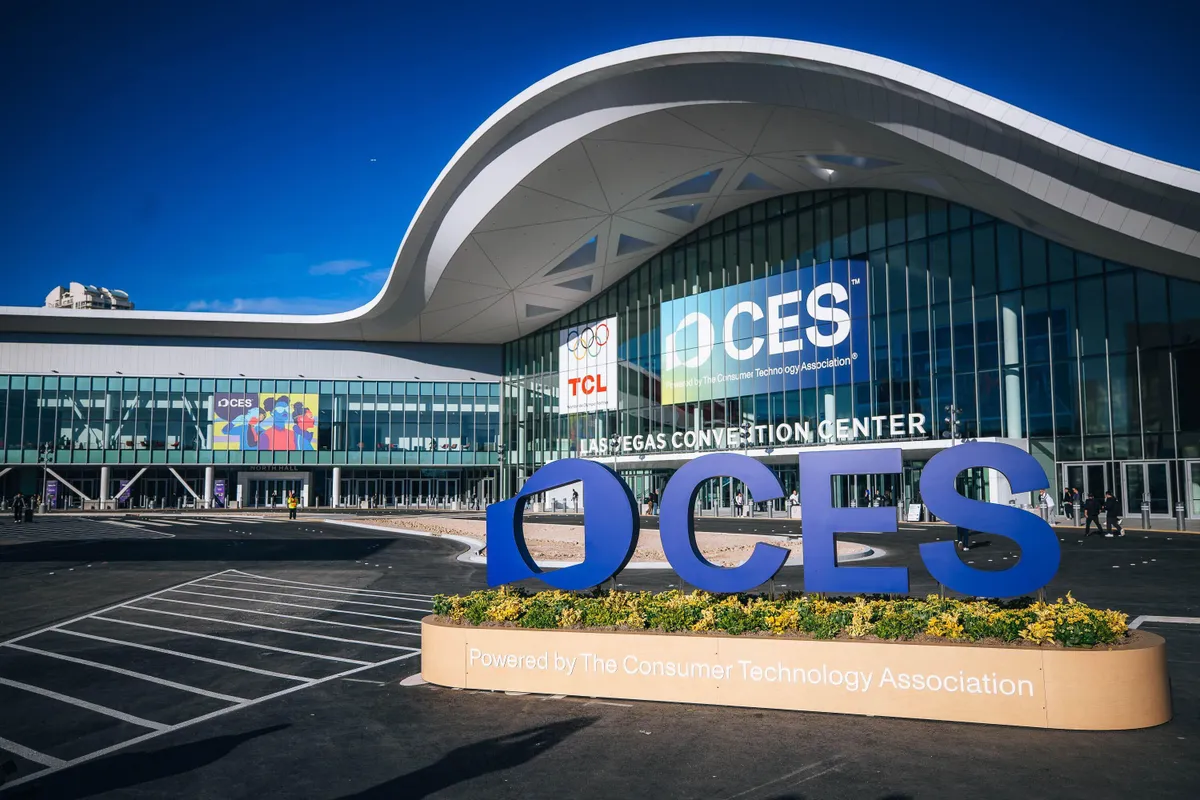
Flagship shows include CES 2026 (Las Vegas, 6–9 Jan), MWC Barcelona (27 Feb–2 Mar) and Web Summit (Lisbon, Nov). CES drew ~148,000 attendees from over 150 countries, making it the tech industry’s apex showcase of consumer electronics. MWC likewise attracts ~85,000 global mobile and enterprise tech professionals. IBM’s World Economic Forum (Davos, 19–23 Jan) blends tech with economics. Event sites report Nvidia GTC (16–19 Mar) and AWS re:Invent (late Nov) will highlight AI/cloud trends. Apple/Google developer summits (WWDC, I/O) occur mid-year. GITEX Global (Dubai, 7–11 Dec) is refocused for AI and chips (“World’s top chipmakers… AI era”). Shorter shows like Microsoft Build and smaller innovations fairs round out tech events.
Climate & Sustainability
Government-led summits dominate here. The UN Climate Change Conference (COP31) is scheduled for late 2026 (likely Antalya, Turkey), while UNCCD COP17 (land use) runs 17–28 Aug in Mongolia and CBD COP17 (biodiversity) 19–30 Oct. Private-sector sustainable business summits are rising: the World Sustainable Development Summit (New Delhi, 25–27 Feb) and Climate Week NYC (Sept 2026) engage corporates on ESG. Economist Impact’s Oceans Summit (Montreal, Mar) links sustainability with finance. Niche events like the Africa Climate Summit (Addis Ababa, 2026) indicate emerging regional interest. Overall sponsorship is tilting toward climate-tech and renewable-energy summits, though exact spend figures are scarce.
Biotech & Healthcare
The annual JP Morgan Healthcare Conference (San Francisco, 12–15 Jan) is a must-attend for biotech investors. BIO International Convention (San Diego, 22–25 Jun) is largest in biotech (10,000+ attendees). Health-tech and hospital execs convene at HLTH USA (Las Vegas, 15–18 Nov; ~12,250 attendees with 4,300+ C-levels) and HIMSS Global Conference (likely Las Vegas, Mar). These events attract pharmaceutical and medtech sponsors. Clinics & pharma vendors see high ROI through stage time and networking.
Finance & Fintech
Global banking meetings include WEF Davos (Jan) and IMF/World Bank fall meetings. Industry shows: Sibos (Miami, 28 Sept–1 Oct) is SWIFT’s fintech conference, while Money20/20 USA (Venetian LV, 18–21 Oct) serves digital payments and banking. Finovate, Fintech Festival (London/Singapore), and Paris Blockchain Week cover crypto. Traditional finance sponsorship remains robust, but heavyweight attention is shifting to AI-driven fintech and crypto (see Web3 below).
Web3 & Crypto
Traditional crypto events (Bitcoin 2026, Apr 27–29, Las Vegas; Consensus Miami, May 5–7) are re-emerging after pandemic lows. Consensus Miami’s site touts ~20,000 attendees (global crypto/institutional). Asia’s first Consensus Hong Kong (Feb 10–12) aims for 15K. Ethereum Community Conference – EthCC (Cannes, 30 Mar–2 Apr) – is EU’s largest Ethereum event (6,500+ in 2025). Emerging are niche crypto-events (NEARCon, LendIt, etc.), but sponsors heavily target the top-tier. Metrics: Consensus cites 100+ countries, “$4T AUM” of previous attendees to impress sponsors.
Meetings & Events Industry
Self-reflexive trade shows remain central. IMEX Frankfurt (19–21 May) and IMEX America (13–15 Oct; 17,000 in 2025) are leading trade fairs for event planners. IBTM World (Barcelona, 17–19 Nov) attracts ~15,000+ global MICE professionals. These run tri-fold on bookings for venues, technology providers and DMOs. (ICE Europe, IBTM, IBTM Americas) also matter regionally. Sponsors of these industry shows include CRM and travel tech firms.
Sponsorship Trends: Where the Money Flows
Sponsors are chasing high ROI and audience specificity. Technology and healthcare remain top spenders: enterprises fund AI/tech events (CES, AWS) to showcase innovation, pharmaceutical companies flood health summits (JPMorgan, BIO). Sustainability and finance themes (e.g. climate tech, ESG, crypto) are also hot. For example, global reports suggest brands see digital/entertainment sectors as key sponsorship arenas in 2025, often in combination with AI or Web3 branding (SportBusiness, SponsorUnited). In conferences, anecdotal data indicate platinum sponsorship packages (large booths, keynotes) can run into six figures. Organisers report that adding hybrid formats and on-demand content lifts total sponsor revenue by ~30% over pure physical events. A TicketFairy analysis notes one trade show’s hybrid edition yielded a 30% jump in sponsorship revenue when virtual booths were sold alongside live booths. Many events now bundle “digital booth + live expo” at premium cost.
Another trend is tiered ticketing: offerings range from basic passes (<£100–£300) to VIP “executive” or “whale” packages. For instance, a leading crypto conference in Las Vegas sells “Whale Pass” at $9,499 (all-access VIP), far above general admission. Tech events similarly price premium “innovator” or “investor” passes higher. Sponsors can purchase naming rights to tracks or lounges (e.g. HSBC stage at Web Summit). Smaller niche summits now sometimes offer equity stakes or revenue-sharing instead of flat fees, mirroring startup fundraising structures.
Regions matter: Asia-Pacific is drawing new sponsor budgets. Consensus Hong Kong’s organisers tout “15K attendees from 100+ countries” and a $4T AUM behind them, highlighting Asia’s prize. In the Middle East, Gulf Expo’s (e.g. GITEX Global Dec 7–11) attract multinational tech advertisers keen on the MENA market. Africa’s growth was signalled by the Abuja Work Programme and planned Africa Climate Summit, though Western dollars are still smaller. Virtually, organisers sell geo-targeted digital ads (e.g. limiting streams to APAC time zones for Asia-based sponsors).
On formats, hybrid is now standard. Surveys show ~86% of organisations see positive ROI from hybrid events. Smart sponsors demand data metrics: time-spent, click-throughs, lead capture, etc. Virtual sponsorships (branded streams, virtual lounges) have become an explicit line item in budgets. One case study noted an electronics sponsor underwriting an entire concert stream in exchange for branding, covering the organiser’s costs. These digital plays mean sponsor evaluation now accounts for both physical footfall and online impressions (often double-counted via on-demand replay sales).
Understanding Attendees and Sponsor Buyer Personas
Event sponsors think in terms of buyer personas. A corporate sponsor typically seeks: 1) Brand exposure to decision-makers, 2) Lead generation among specific demographics (e.g. CIOs, C-suite, investors), 3) Thought leadership (speaking slots), 4) Networking (B2B deals). For example, HLTH USA reports 12,250+ attendees with over 4,300 C-suite executives – demographics i.e. hospitals CEOs, health-tech investors and policy makers. A medtech company at HLTH can reach 70+% of Fortune 100 hospital systems. Similarly, MWC’s audience is about 60–70% corporate/enterprise (CTOs, network architects), so telco and network vendors target those.
Sponsor ROI is often gauged in media and mindshare. Major conferences tout “earned media impressions” as a return: CES, for instance, claims thousands of press coverage stories. Others look at deal volume: Consensus records number of VC pitches or M&A meetings that occurred. Private briefings with sponsors show many judges scale ROI by how many C-level meetings they booked (often via a conference’s concierge). In price bands, sponsors note that mid-tier packages (Gold/Silver) often convert to renewals only if they hit lead targets; failure to meet lead quotas (tracked via attendee badge scans) can sour deals.
In summary, attendees are top-level professionals and niche enthusiasts, not casual masses. CES’s attendee breakdown is 27% international, heavy on media & tech executives. MWC draws CTOs and biz-dev teams with ready budgets for connectivity. Healthcare events pull physicians and pharma VPs, while Web3 events pull crypto-fund managers and blockchain developers. Planners now prepare persona decks (e.g. “health insurance exec” or “CISO for finance”) for sponsors. The most lucrative tickets are premium packages aimed at the highest tiers (e.g. bankers, government officials).
Emerging Regions and Niche Opportunities
Investors should scan beyond the usual US/EU markets. Asia is surging: beyond Consensus Hong Kong, events like Vue.jsConf (Tokyo), DevOpsDays (Seoul) and FinTechFestival Singapore see increased sponsor interest. The Middle East is a new frontier: Dubai FinTech Summit, GITEX Global and COP28 (UAE 2023) showed that Gulf countries want to brand as innovation hubs. Dubai World Energy Forum and Arab Health (Dubai) draw global companies. Africa is nascent: Kenya’s Nairobi Innovation Week and Accra Tech Week are small but growing; a NATO-allied climate summit (ACS2 in Addis, 2025) signals high-level focus though private sponsorships are still limited.
Even niche sectors are specialising: Clean energy trade shows (Dubai Sustainability Week), SpaceTech expos, Global HR tech, AgriTech summits (Bangkok), and eSports conventions (Hong Kong/Germany) have sponsors in millennial markets. Virtual communities (e.g. blockchain Discord groups) occasionally spin up their own online “summits” with sponsor funding (like virtual sponsor lounges at Decentralised conferences).
Risks, Headwinds and Geopolitical Factors
Conference investment isn’t without risks. Economic headwinds (inflation, travel costs, corporate belt-tightening) mean budgets are scrutinised. High venue costs have pushed sponsors to demand measurable ROI; some shows saw late cancellations in early 2025. Pandemic legacy: Organisers note the challenge of keeping virtual platforms up to date – a poor streaming experience can tarnish brand ROI. Geopolitical tensions loom: e.g. visa policies (after Brexit, Huawei bans), travel embargoes, sanctions (e.g. Russia/Ukraine) can hobble attendance or sponsorships. The WEF Davos 2026 notably grappled with delegate travel warnings amid global unrest. Export controls on tech (AI chips) might dampen North-South sponsor flows for some events.
Regulation is key: Crypto conferences worry about sudden rule changes (as happened with US regulations on stablecoins), while health events must track compliance (FDA, CE marking topics). Some regions (EU) may impose digital-content taxes that affect sponsored streaming. Climate change risks itself are influencing scheduling: monsoon season events in Asia, or extreme weather delaying outdoor tech summits.
Emerging cybersecurity threats (conference data breaches) also make sponsors cautious about event apps and Wi-Fi. On the whole, sponsors hedge by diversifying their event portfolio: if one conference falters (e.g. a virtual hackathon that never fills seats), they re-allocate spend to more proven ones. Event organisers mitigate risk by guaranteeing certain deliverables (e.g. lead counts, branding impressions) or offering partial refunds if live attendance dips below thresholds.
Actionable Takeaways for Investors and Organisers
- Consider Hybrid, But Differentiate: Combine a tight physical programme with a high-quality virtual tier. Structure distinct sponsor packages for digital experiences (e.g. branded webcast rooms). Case studies show hybrid editions can net +30% more sponsor revenue.
- Target High-Value Niches: Focus on sectors with growth (AI, Fintech, GreenTech, BioHealth) and regions hungry for investment (APAC, Middle East, Africa). Example: Consensus shifted to Miami/HK to capture institutional finance interest.
- Personas & Data: Define attendee profiles in advance. Provide sponsors with granular data (role, time-on-content, meeting schedules). Platforms that offer real attendee insights (from registration and app tracking) can charge premium rates.
- Agile Portfolio: Balance big tent-pole conferences with emerging “boutique” summits. Newer formats (hackathons, think-tanks) may yield large multiples on sponsor dollars. Pivot if an event underperforms – sponsors do not pay for ‘maybe’ impressions.
- Content & Continuity: Convert sessions into year-round assets. Offer on-demand packages or subscriptions; sponsors like the idea of long-term branding (e.g. “Powered by [Sponsor] on our 90-day replay hub”).
- Cost Controls & Guarantees: Negotiate clear deliverables. Consider dynamic pricing (delaying streaming until venue sell-out) or geo-fencing to protect in-person sales. Offer refunds or bonus exposure if certain metrics aren’t met.
- Watch Regulations: Anticipate travel bans/visa issues (e.g. offer last-minute remote sponsorship rights if in-person attendance drops). Stay abreast of compliance – e.g. data privacy for post-event lead lists.
- Engage Sponsors Early: Involve key sponsors in programme planning. Early sales allow scheduling their keynote or exclusive roundtable, increasing buy-in and ROI. A confident sponsor base can even co-invest in marketing campaigns for the event.
Finally, maintain flexibility. As one organizer put it, focusing solely on a single format or region is risky – the “smart money” follows the trends and data. By keeping strategy fluid and attendee needs first, investors and organisers can ensure their conference line-up for 2026 pays off.
Table 1. Key 2026 Conferences by Sector (dates/locations). Metrics are approximate; “–” indicates unavailable data.
| Conference (Sector) | Expected Attendance | Sponsor Cost Range | Audience Profile | ROI Indicators | Ticket Price (band) |
|---|---|---|---|---|---|
| CES 2026 (Tech) | ~148,000 | ~$50K – $500K+ | Global tech execs, innovators, media | Broad media reach, lead gen | ~$300 – $600 |
| MWC 2026 (Tech/Telecom) | ~85,000 | $30K – $300K | CIOs, CTOs, network vendors | New product deals | ~$700 (standard) |
| Web Summit 2026 (Tech) | >71,000 | $20K – $200K | Startups, investors, tech press | Startup-funding outcomes | €750 (early bird) |
| WEF Davos 2026 (Finance) | ~3,000 – 4,000 (invite-only) | ~$100K+ | World leaders, CEOs, policymakers | Policy impact, networking | (by invitation) |
| Sibos 2026 (Finance) | ~7,000 (est.) | $25K – $150K | Banking/fintech CxOs | Tech adoption deals | ~$2,000 |
| JP Morgan HC 2026 (Healthcare) | ~10,000+ (est.) | $30K – $200K | Biotech/pharma leaders, investors | M&A and partnership deals | (free/industry invite) |
| BIO 2026 (Biotech) | ~15,000 (typ.) | $30K – $250K | Biotech companies, scientists | Licensing deals, funding | $99 – $1,499 |
| HLTH 2026 (Healthcare) | 12,250+ | $20K – $150K | Hospitals, insurers, digital health | Product trials, investment | $800 – $1,500 |
| Consensus Miami 2026 (Web3) | ~20,000 | $40K – $300K | Crypto founders, VCs, regulators | Startup fund-raises | $599 – $9,499 (VIP) |
| EthCC 2026 (Web3) | ~6,500 (2025) | $10K – $100K | Ethereum devs, blockchain entrepreneurs | Developer adoption | €25 – €300 |
| GITEX Global 2026 (Tech/AI) | ~100,000 (expo scale) | $50K – $400K | MENA tech buyers, gov’t entities | Regional partnerships | AED 85 – AED 250 (approx) |
| IBTM World 2026 (Meetings) | ~15,000 | $10K – $100K | Event planners, DMOs, suppliers | Exhibitor leads, host city bids | €30 – €90 |